UNGALVINISED STEEL WIRE ROPE 6 About
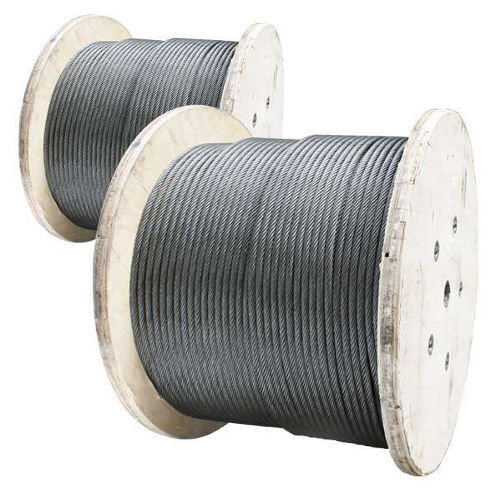
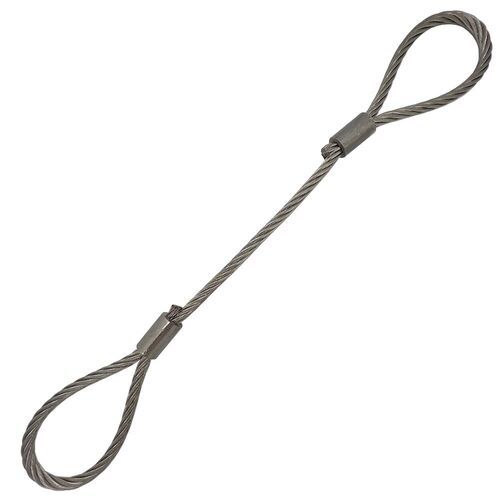
Un-Galvanized Steel Wire Rope Sling Rope Dia 13mm, Capacity 1.7 Ton X Length 3 Meter, Const. 6X19, RHL with Mechanically Single Ferrule Spliced Standard Loop at Both Ends . Wire Rope As Per IS 2266 : 2002
Tailored Rope Designs for Every ApplicationOur ungalvanised steel wire ropes offer unparalleled versatility, with multiple constructions (6x19, 6x37, or custom), core types, and diameters ranging from 6 mm to over 50 mm. Whether you need greater flexibility for cranes or added strength for construction projects, every wire rope is engineered to meet your unique requirements with precision and reliability.
Superior Performance in Dry, Non-Corrosive EnvironmentsWith a high tensile strength (1570 N/mm2 or more) and abrasion resistance, these wire ropes excel in dry, non-corrosive settings. The uncoated, natural grey steel finish ensures dependable performance, especially in lifting, pulling, and hoisting tasks where reliability and durability are critical. Their construction offers flexibility, making them suitable for both manual and semi-automatic control systems.
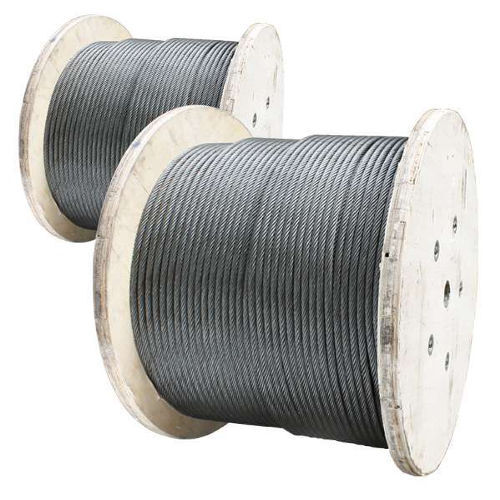
Compliance and Quality AssuranceOur products adhere to leading international standards, including IS 2266, EN 12385, DIN, and BS, guaranteeing quality and safety for your operations. Delivered in coil, reel, or drum packing, and supported by prompt distribution across India, these wire ropes ensure standard precision, durability, and peace of mind for every application.
FAQ's of UNGALVINISED STEEL WIRE ROPE 6:
Q: How do I choose the right rope construction and core type for my application?
A: Select the rope construction (6x19 or 6x37) based on your desired balance of flexibility and strength. For greater flexibility, opt for 6x37; for higher abrasion resistance, 6x19 is recommended. Fibre Core (FC) suits lighter or more flexible applications, while Steel Core (IWRC) provides superior strength for heavy-duty operations.
Q: What is the typical process for ordering custom diameters or lengths?
A: To order a custom diameter or length, specify your requirements during the inquiry. Standard reels are available in 500 m or 1000 m, but we can accommodate bespoke lengths and diameters (6 mm to 50 mm+). Our team will guide you through compliance, packing, and end fitting options to match your intended use.
Q: When is it best to use ungalvanised steel wire rope compared to galvanised alternatives?
A: Ungalvanised steel wire rope is ideal for dry, non-corrosive environments where its natural finish offers sufficient protection and reduced cost. It is commonly used in cranes, lifts, and construction equipment, where exposure to moisture or chemicals is minimal. For outdoor or corrosive environments, galvanised variants are advisable.
Q: Where can these wire ropes be used within industrial operations?
A: These wire ropes are suitable for a range of industries including construction, mining, marine, and material handling. Typical applications include cranes, elevators, hoists, and winches requiring high strength and durability in controlled, non-corrosive settings.
Q: What are the benefits of using ungalvanised steel wire rope for lifting and hoisting?
A: Ungalvanised steel wire rope offers high strength, abrasion resistance, and flexibility, ensuring secure and reliable lifting or pulling. Its construction supports various end fittings and customization, facilitating precision in operation. The absence of a zinc coating makes it cost-effective and suitable for dry environments.
Q: How do I ensure the safety and longevity of the wire rope during use?
A: Regularly inspect the rope for signs of wear, abrasion, or fatigue. Use the appropriate accessory fittings and always operate within the specified breaking loads. Proper handling, storage in dry conditions, and scheduled maintenance are crucial for maximizing rope lifespan.
Q: Which standards do these wire ropes meet, and why is compliance important?
A: Our ungalvanised steel wire ropes comply with IS 2266, EN 12385, DIN, and BS standards. Compliance guarantees that the ropes are manufactured to recognized safety and quality benchmarks, minimizing the risk of failure and enhancing operator safety.




 Send Inquiry


 Send Inquiry
 Send Inquiry
 Send SMS
 Call Me Free


